7 Fresh Facts to Discover About Tulips
Posted on 22/08/2025
7 Fresh Facts to Discover About Tulips
Tulips--the vibrant, sophisticated blooms that awaken spring gardens all around the world--are more than just pretty faces. While their iconic cup-shaped petals have been cherished for centuries, there's much more to learn beyond their stunning appearance. In this comprehensive guide to tulips, we explore seven fascinating facts that even seasoned gardeners might not know. Dive in as we highlight unexpected insights, historical anecdotes, and practical tips for tulip enthusiasts and curious readers alike.
1. Tulips Were Once Worth More Than Gold
Perhaps the most famous tulip fact involves Tulip Mania, a period in the 17th-century Dutch Golden Age when tulip bulbs became so precious that they were traded for the price of homes--and sometimes even more. This economic phenomenon, which peaked around 1637, is now considered one of the first recorded economic bubbles.
- Tulip bulbs became symbols of wealth and status.
- Rare color patterns, known as "broken tulips," surged in value due to their unpredictable beauty.
- The craze was so intense that some bulbs were even used as currency in the Netherlands.
The allure behind the tulip's value wasn't just about the flower's look--it was driven by a blend of rarity, desirability, and the frenzy of speculation. Today, tulips remain a Dutch icon, but thankfully, acquiring them won't cost you your house!
2. Not All Tulips Are Created Equal: Diversity Beyond the Bloom
Did you know there are over 3,000 registered tulip varieties worldwide? Tulips belong to the Lily family (Liliaceae), and their botanical diversity stretches across shape, size, and color. Some of the most beloved tulip classifications include:
- Single Early: Classic, cup-shaped blooms in vibrant hues, perfect for early spring gardens.
- Parrot: These feature flamboyant, fringed petals that twist and curl, often showcasing multiple colors.
- Fringed: Edges of petals look as if trimmed with delicate lace.
- Darwin Hybrid: Renowned for their tall stems and robust, long-lasting blooms.
- Viridiflora: Unique green-streaked petals provide modern garden intrigue.
From dwarf tulip species ideal for rock gardens to oversized hybrids designed for cutting, the tulip family tree is full of surprises. Each variety offers a unique floral experience for growers and admirers alike.
3. The True Origins of Tulips: Turkey's National Treasure
While many associate tulips with Dutch culture, their journey actually began much further east. Tulip history traces back to the ancient Ottoman Empire, in what is now Turkey.
- Tulips were first cultivated in Persia (modern-day Iran) before being embraced by Ottoman sultans.
- Istanbul's imperial gardens showcased these flowers as a symbol of prosperity and paradise.
- The word "tulip" itself derives from the Turkish word "tulbent", referring to a turban--a nod to the flower's turban-like shape.
In Turkish culture, tulips represent perfect love and abundance. Even today, the Istanbul Tulip Festival celebrates their deep-rooted heritage every spring with millions of blooming bulbs.
4. Tulip Petals: Edible, Medicinal, and Multipurpose
Looking for unique culinary or medicinal uses for tulips? You might be surprised to learn their petals have found their way into kitchens and herbal pantries. During World War II, for example, famine in the Netherlands forced people to eat tulip bulbs for survival, though this practice is generally discouraged due to their bitterness and potential toxicity.
- Tulip petals are considered edible and can be used to garnish salads, desserts, or sandwiches (make sure they're unsprayed).
- Certain tulip types were historically used in traditional medicinal remedies for coughs and infections.
- Modern florists sometimes utilize robust tulip stems and petals as part of artistic, edible arrangements for special occasions.
While edible, always exercise caution--only culinary-approved tulip varieties should be sampled, and bulbs should never be eaten unless properly identified and prepared.
5. Tulips Have a Secret Language of Color
Beyond their aesthetic appeal, tulip colors convey unique meanings in flower symbolism and gifting traditions:
- Red tulips: Declare deep, romantic love--they're the Valentine's Day tulip of choice.
- Yellow tulips: Bright wishes for cheerful thoughts and sunny friendships.
- White tulips: Stand for forgiveness, new beginnings, and purity.
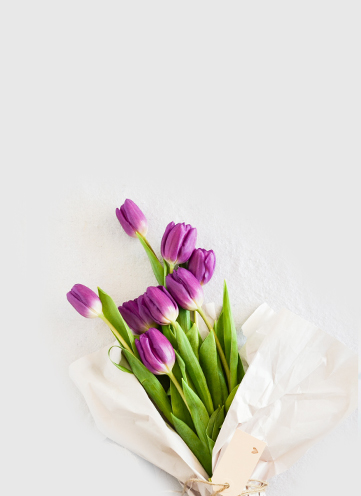
- Purple tulips: Evoke royalty, dignity, and admiration.
- Black tulips: Symbolize power, mystery, and sophistication--the elusive "Queen of Night" is a famous cultivar.
Next time you choose a tulip bouquet, consider the unspoken message you're sending. The secret language of tulips makes these spring beauties stand out among other popular blooms.
6. Tulips Move With the Light: Nature's Sun Seekers
One of the most captivating characteristics of tulip flowers is their phototropic nature. Unlike many spring flowers, tulips actively move in response to sunlight:
- Petals open widely in direct sun, closing again at night or during cloudy conditions.
- Cut tulips continue to "grow" in the vase, often curving elegantly toward the nearest light source.
- This movement, known as heliotropism, makes fresh tulip arrangements surprisingly dynamic and ever-changing.
If you've ever noticed your bouquet gradually "dancing" on the dining table, you're seeing tulips' living energy in action! For the best display, rotate your vase occasionally or place arrangements in diffused natural light.

7. Growing Tulips: Myths, Tips, and Modern Innovations
For garden lovers, nothing signals the end of winter quite like the first tulip shoots pushing through the soil. Yet, several myths and misunderstandings swirl around their cultivation:
- Myth: Tulips are too "fussy" for beginners. Truth: With the right approach, tulips are easy to plant and maintain.
- Myth: Once planted, tulips return robustly year after year. Fact: While some species naturalize, many hybrids are best treated as annuals, especially in warmer climates.
Top Tulip Growing Tips:
- Plant bulbs in the fall (at least 6 weeks before frost for proper root development).
- Choose a well-drained, sunny spot--standing water spells doom for tulip bulbs.
- Space bulbs 4-6 inches apart and at a depth roughly three times their height.
- Feed bulbs with a low-nitrogen fertilizer at planting and after flowering.
- Remove spent blooms (deadhead) but let tees remain until they fully yellow--this fuels next year's flowers.
- To enjoy tulips indoors, try "forcing" bulbs in pots--chilling them for several weeks before bringing into warmth for winter blooms.
Thanks to modern breeding, today's tulips are available in an incredible range of shapes, colors, and bloom times--some are even reliably perennial and resistant to pests like tulip fire or fungal blight. The future of tulip gardening is brighter and more accessible than ever before.
Conclusion: More to Tulips Than Meets the Eye
From their surprising historical value and rich global origins to their edible petals and sun-chasing antics, tulips offer a world of secrets beneath their exquisite spring display. Whether you're combing the tulip fields of the Netherlands, crafting an artistic bouquet, or simply admiring their colorful sway, knowing these fresh facts about tulips will enrich your appreciation for one of nature's most beloved flowers.
Ready to embrace the wonders of tulip flowers in your own garden or home? Dig deeper, experiment with new varieties, and share the story of tulips with friends and family. These remarkable blooms continue to capture hearts and imaginations--one petal at a time.
Key Takeaways: 7 Essential Tulip Insights
- Tulip mania made bulbs more valuable than gold in 17th-century Holland.
- There are over 3,000 tulip varieties globally.
- Tulips originated in Turkey, not the Netherlands.
- Tulip petals are edible, with historical uses in food and medicine.
- Each tulip color has a unique symbolism.
- Tulips move in response to sunlight, bringing life to flower arrangements.
- Modern gardening innovations mean tulips are easier to grow than ever before.
Bookmark or share this article for your next floral adventure, and let the magic of tulips bloom all season long!
Latest Posts
Top 10 Flower Shops Near Fulham Palace: Where Locals Buy Florals
Hosting a Wedding in Hackney Central? Flower Design Tips
Safety Rules for Handling and Disposing Flowers in [AREA]